Kalawati -the beej devi
Kalawati -the beej devi
Chintan International Trust-India
Chintan International Trust-India is a humanitarian charitable organisation registered in India, helping holistic health development in Himalaya & other areas. Our health program works through linking modern education, research and training to sustainable development in the environmental, social and cultural context of the needy developing areas of the world.
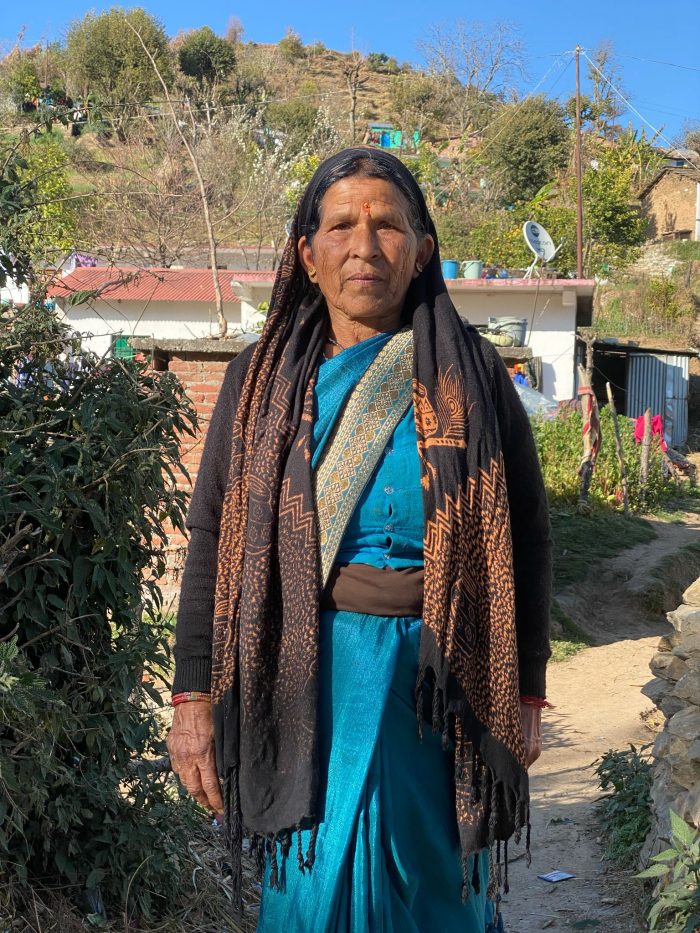
Kalawati -the beej devi
Village Tola -Distt Almora
Age -60
(she is presently associated with Chintan International Trust-India)
She is an illiterate but highly educated and intelligent woman. A woman with real leadership qualities and is an inspiration for everyone. She is a single woman. Her husband died last year after a long illness. She has been working for the past 30 years saving seeds, protecting community forests through her sheer grit, determination and courage. Despite facing lot of challenges, she has not left cultivating her traditional crops and varieties and has played an integral role in creating the first traditional seed bank in her area. She is in the process of creating her second seed bank now, involving women of her village and nearby villages. According to her, she, along with other woman in her village, are protecting their invaluable seeds, for present as well as posterity, “without seeds we are no where”. “seeds represent our culture”-she says (she still has the rare millet seed called- cheena and shared it’s seeds with save seed campaign leader-jardhari ji). She is protecting them, most importantly by cultivating them in her fields and consuming them. She has been advocating protection of these seeds, not only for their high level of nutrition, but also because they help in responding better to climate vagaries and most importantly, according to her ,people have a right over these resources and with out them, they will become dependent on market and other powerful forces and would end up becoming puppets in their hands- she strongly believes..
According to her, traditional crops and systems contribute substantially towards keeping human beings, animals and environment healthy. Not surprising at all, that she reveals in-depth knowledge and understanding of the mechanisms underlying agricultural, forest and livestock related practices, though she may be illiterate. She has very limited resources and helping hands at home, but she ensures cultivating her fields in each season, without fail. She belongs to Dalit community, which is the “so called low caste community” in India and still face social discrimination, but there have been numerous examples where she has revolted against this discrimination for her rights and also for the rights of people in her community, without any fear. She has also been exemplary in protecting her forest for the past 20 years, formally as one of the Panches in Van panchayat, and also informally as a resident of the village, involving and encouraging women and men, motivating them to protect the forests as according to her – without forest, there will not be any air, water, food. If forests are there, then survival of human beings and animals is possible.